
Small Call to Action Headline
BLACK HAMMOCK OBSERVATION
Dedicated Preserving Small Farms and Animal Husbrandry
At Black Hammock Farm, we are dedicated to preserving the legacy of small family farms and the art of sustainable animal husbandry. Our Katahdin sheep, lovingly known as "The Herd," and our thriving Hatchery are at the heart of our mission to cultivate the next generation of livestock while honoring the principles of heritage breeding. By focusing on non-GMO practices and prioritizing the health and well-being of our animals, we ensure that each member of our flock and brood is raised with care and respect. Through our efforts, we not only provide high-quality livestock but also promote the preservation of small-scale farming, keeping traditions alive for future generations. Join us in celebrating the timeless connection between farm, family, and the land we steward.
OBSERVATION
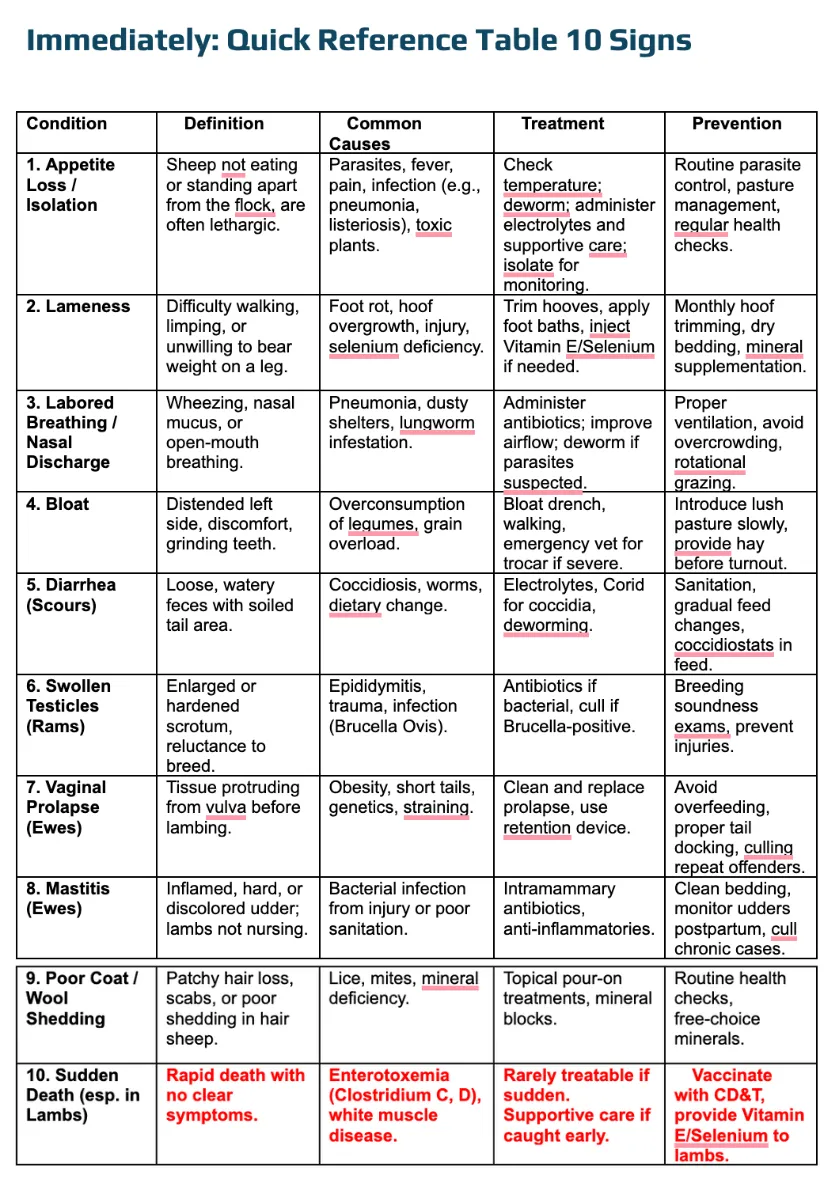
Ten Things to Watch For in Lambs, Ewes, and Rams
1.) Appetite Loss / Isolation
Definition: A sheep that isn't eating, stays away from the flock, or appears lethargic.
Common Causes: This can indicate internal parasites, fever from infection (such as pneumonia or listeriosis), pain, or toxic plant ingestion.
Treatment: Take the animal’s temperature, isolate them for observation, deworm if needed, and administer electrolytes and supportive care.
Prevention: Maintain a strong parasite management program, rotate pastures, and perform regular health checks to catch problems early.
2.) Lameness
Definition: Difficulty walking, limping, or an unwillingness to bear weight on one or more limbs.
Common Causes: Foot rot, overgrown hooves, hoof injury, or nutritional deficiencies like selenium or zinc.
Treatment: Trim the hooves to remove rot or debris, soak feet in a zinc or copper sulfate solution, and administer Vitamin E/Selenium if stiffness is present.
Prevention: Schedule routine hoof trims, keep bedding dry, and provide free-choice minerals designed for sheep.
3.) Labored Breathing / Nasal Discharge
Definition: Panting, wheezing, coughing, or mucus coming from the nose.
Common Causes: Pneumonia is most common, especially with sudden weather changes or poor ventilation. Lungworms and dusty bedding can also trigger it.
Treatment: Administer antibiotics such as oxytetracycline, improve shelter airflow, and deworm if lungworms are suspected.
Prevention: Avoid overcrowding, ensure proper barn ventilation, and follow a pasture rotation plan.
4.) Bloat
Definition: A swollen or distended left side of the abdomen with signs of discomfort, such as grinding teeth or kicking at the belly.
Common Causes: Consumption of rich forage (like clover or alfalfa) or grain overload can cause gas buildup in the rumen.
Treatment: Walk the animal to help release gas, drench with bloat treatment (poloxalene or mineral oil), or use a trocar if an emergency.
Prevention: Introduce new pastures slowly, limit grain access, and feed hay before turnout onto lush pasture.
5.) Diarrhea (Scours)
Definition: Watery or loose stool, usually accompanied by a soiled tail and hindquarters.
Common Causes: Coccidiosis (especially in lambs), parasitic infections, or sudden dietary changes.
Treatment: Rehydrate with electrolytes, treat with Corid (amprolium) for coccidiosis, and deworm if indicated.
Prevention: Maintain clean, dry pens; avoid abrupt feed changes; and use coccidiostats during periods of stress or weaning.
6.) Swollen Testicles (Rams)
Definition: Enlarged, hardened, or sensitive scrotum, often accompanied by reduced breeding behavior.
Common Causes: Epididymitis from Brucella ovis or other bacterial infections, trauma, or abscesses.
Treatment: Test for Brucella (cull if positive); otherwise, administer antibiotics and anti-inflammatories.
Prevention: Conduct annual breeding soundness exams and minimize handling injuries during the breeding season.
7.) Vaginal Prolapse (Ewes)
Definition: The vaginal tissue protrudes from the ewe’s vulva before lambing.
Common Causes: Overweight ewes, short-docked tails, genetics, or excessive straining.
Treatment: Gently clean and reinsert the prolapse, then apply a retention device or harness.
Prevention: Avoid overfeeding late in pregnancy, dock tails properly, and remove chronic prolapsers from the breeding flock.
8.) Mastitis (Ewes)
Definition: A hard, hot, or discolored udder; may cause lambs to reject the teat or lose condition.
Common Causes: Bacterial infection from injury, environmental bacteria, or poor sanitation.
Treatment: Administer intramammary antibiotics and anti-inflammatory medications.
Prevention: Keep lambing areas clean, check udders postpartum, and cull ewes with recurring infections.
9.) Poor Coat / Wool Shedding
Definition: Patchy hair loss, scabbing, or delayed shedding in hair sheep like Katahdins.
Common Causes: External parasites like lice or mites, or a deficiency in copper, zinc, or other trace minerals.
Treatment: Apply topical pour-ons (e.g., permethrin) and offer a well-balanced mineral supplement.
Prevention: Conduct regular skin and coat checks and ensure sheep have access to loose minerals with appropriate trace elements.
10.) Sudden Death (Especially in Lambs)
Definition: Lambs die unexpectedly, often without prior symptoms.
Common Causes: Enterotoxemia (overeating disease caused by Clostridium perfringens types C & D), white muscle disease (selenium deficiency).
Treatment: Rarely treatable once symptoms appear; supportive care and anti-toxins may help if caught very early.
Prevention: Vaccinate lambs and ewes with CD&T, and provide selenium/vitamin E supplements in selenium-deficient regions.
OBSERVATION
Ten Things to Watch For in Lambs, Ewes, and Rams
1.) Appetite Loss / Isolation
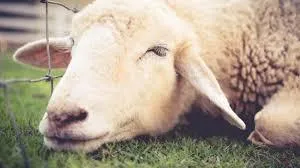
Definition: A sheep that isn't eating, stays away from the flock, or appears lethargic.
Common Causes: This can indicate internal parasites, fever from infection (such as pneumonia or listeriosis), pain, or toxic plant ingestion.
Treatment: Take the animal’s temperature, isolate them for observation, deworm if needed, and administer electrolytes and supportive care.
Prevention: Maintain a strong parasite management program, rotate pastures, and perform regular health checks to catch problems early.
2.) Lameness
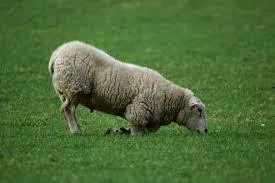
Definition: Difficulty walking, limping, or an unwillingness to bear weight on one or more limbs.
Common Causes: Foot rot, overgrown hooves, hoof injury, or nutritional deficiencies like selenium or zinc.
Treatment: Trim the hooves to remove rot or debris, soak feet in a zinc or copper sulfate solution, and administer Vitamin E/Selenium if stiffness is present.
Prevention: Schedule routine hoof trims, keep bedding dry, and provide free-choice minerals designed for sheep.
3.) Labored Breathing / Nasal Discharge
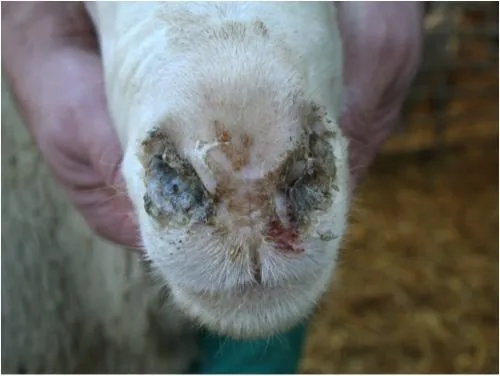
Definition: Panting, wheezing, coughing, or mucus coming from the nose.
Common Causes: Pneumonia is most common, especially with sudden weather changes or poor ventilation. Lungworms and dusty bedding can also trigger it.
Treatment: Administer antibiotics such as oxytetracycline, improve shelter airflow, and deworm if lungworms are suspected.
Prevention: Avoid overcrowding, ensure proper barn ventilation, and follow a pasture rotation plan.
4.) Bloat
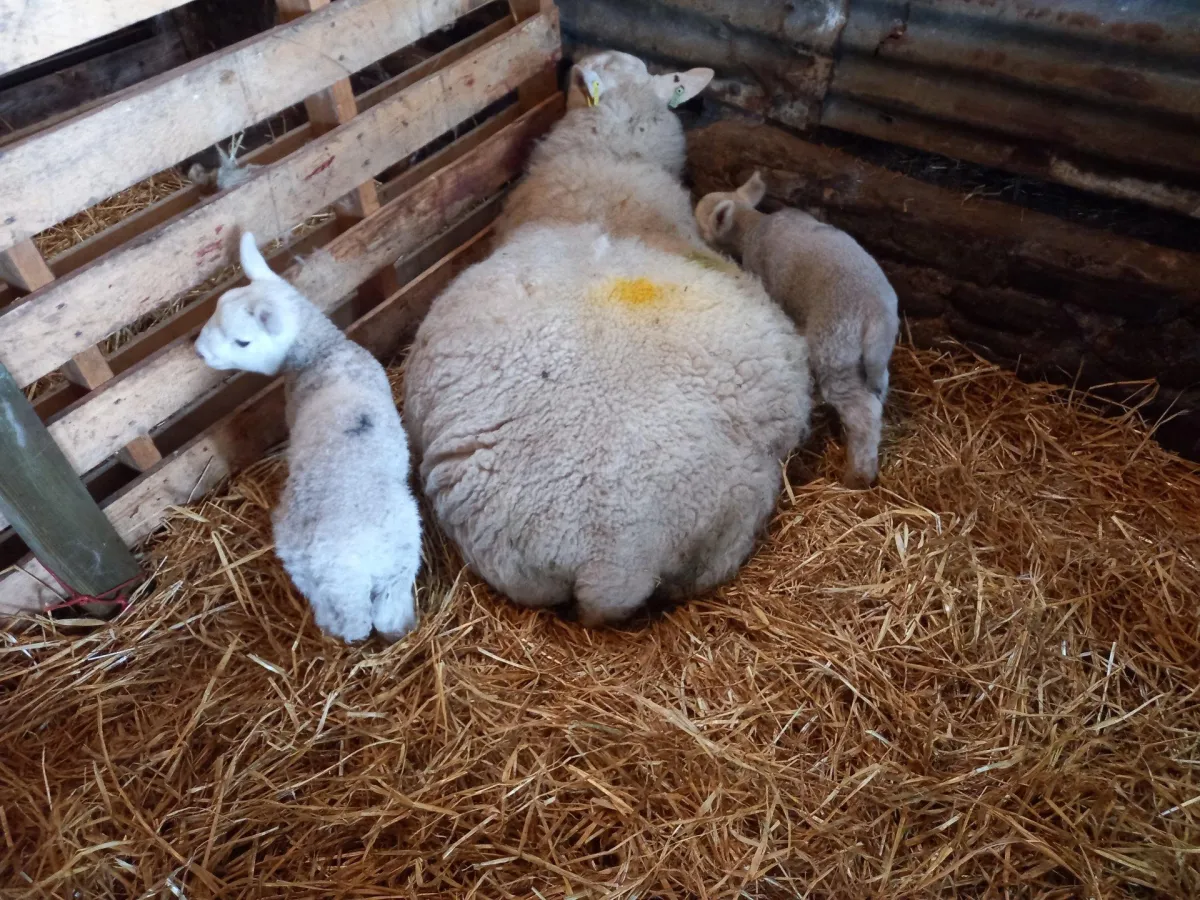
Definition: A swollen or distended left side of the abdomen with signs of discomfort, such as grinding teeth or kicking at the belly.
Common Causes: Consumption of rich forage (like clover or alfalfa) or grain overload can cause gas buildup in the rumen.
Treatment: Walk the animal to help release gas, drench with bloat treatment (poloxalene or mineral oil), or use a trocar if an emergency.
Prevention: Introduce new pastures slowly, limit grain access, and feed hay before turnout onto lush pasture.
5.) Diarrhea (Scours)
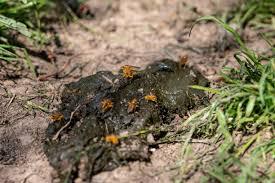
Definition: Watery or loose stool, usually accompanied by a soiled tail and hindquarters.
Common Causes: Coccidiosis (especially in lambs), parasitic infections, or sudden dietary changes.
Treatment: Rehydrate with electrolytes, treat with Corid (amprolium) for coccidiosis, and deworm if indicated.
Prevention: Maintain clean, dry pens; avoid abrupt feed changes; and use coccidiostats during periods of stress or weaning.
6.) Swollen Testicles (Rams)
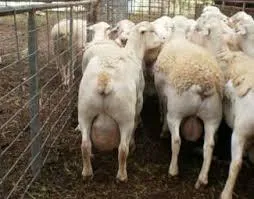
Definition: Enlarged, hardened, or sensitive scrotum, often accompanied by reduced breeding behavior.
Common Causes: Epididymitis from Brucella ovis or other bacterial infections, trauma, or abscesses.
Treatment: Test for Brucella (cull if positive); otherwise, administer antibiotics and anti-inflammatories.
Prevention: Conduct annual breeding soundness exams and minimize handling injuries during the breeding season.
7.) Vaginal Prolapse (Ewes)
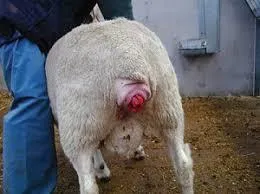
Definition: The vaginal tissue protrudes from the ewe’s vulva before lambing.
Common Causes: Overweight ewes, short-docked tails, genetics, or excessive straining.
Treatment: Gently clean and reinsert the prolapse, then apply a retention device or harness.
Prevention: Avoid overfeeding late in pregnancy, dock tails properly, and remove chronic prolapsers from the breeding flock.
8.) Mastitis (Ewes)
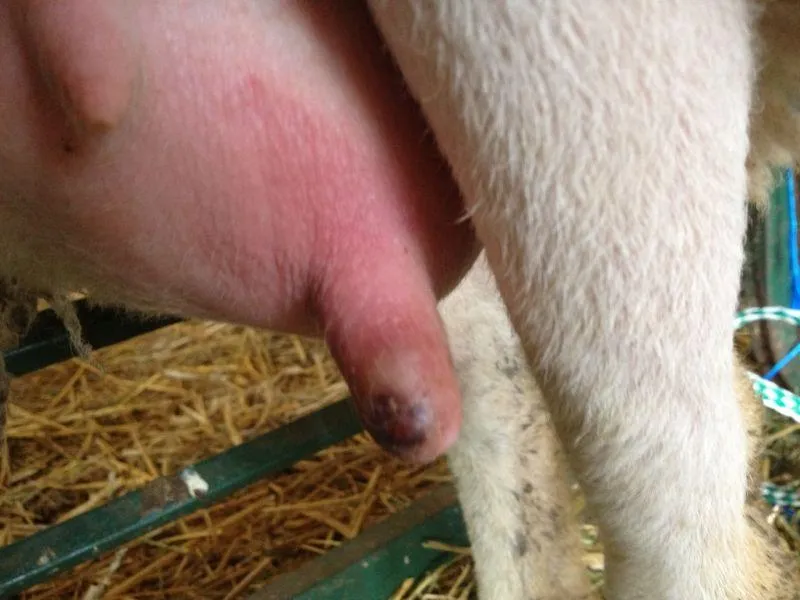
Definition: A hard, hot, or discolored udder; may cause lambs to reject the teat or lose condition.
Common Causes: Bacterial infection from injury, environmental bacteria, or poor sanitation.
Treatment: Administer intramammary antibiotics and anti-inflammatory medications.
Prevention: Keep lambing areas clean, check udders postpartum, and cull ewes with recurring infections.
9.) Poor Coat / Wool Shedding
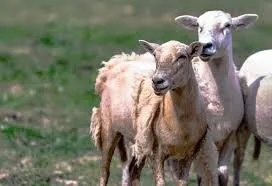
Definition: Patchy hair loss, scabbing, or delayed shedding in hair sheep like Katahdins.
Common Causes: External parasites like lice or mites, or a deficiency in copper, zinc, or other trace minerals.
Treatment: Apply topical pour-ons (e.g., permethrin) and offer a well-balanced mineral supplement.
Prevention: Conduct regular skin and coat checks and ensure sheep have access to loose minerals with appropriate trace elements.
10.) Sudden Death (Especially in Lambs)
Definition: Lambs die unexpectedly, often without prior symptoms.
Common Causes: Enterotoxemia (overeating disease caused by Clostridium perfringens types C & D), white muscle disease (selenium deficiency).
Treatment: Rarely treatable once symptoms appear; supportive care and anti-toxins may help if caught very early.
Prevention: Vaccinate lambs and ewes with CD&T, and provide selenium/vitamin E supplements in selenium-deficient regions.
OBSERVATION REPORT
Animal Weekly Observation Report
Basic Information:
Animal's Information
1579 Walsh Street Oviedo,
Florida 32765
COMPANY
FARM SERVICES
LIVESTOCK PROGRAMS
FOLLOW US


POWERED BY:

© 2025 Black Hammock Family Farm.
All rights reserved.
1579 Walsh Street Oviedo,
Florida 32765
COMPANY
FARM SERVICES
LIVESTOCK PROGRAMS
FOLLOW US
POWERED BY:
© 2025 Black Hammock Family Farm. All rights reserved.